
Summary
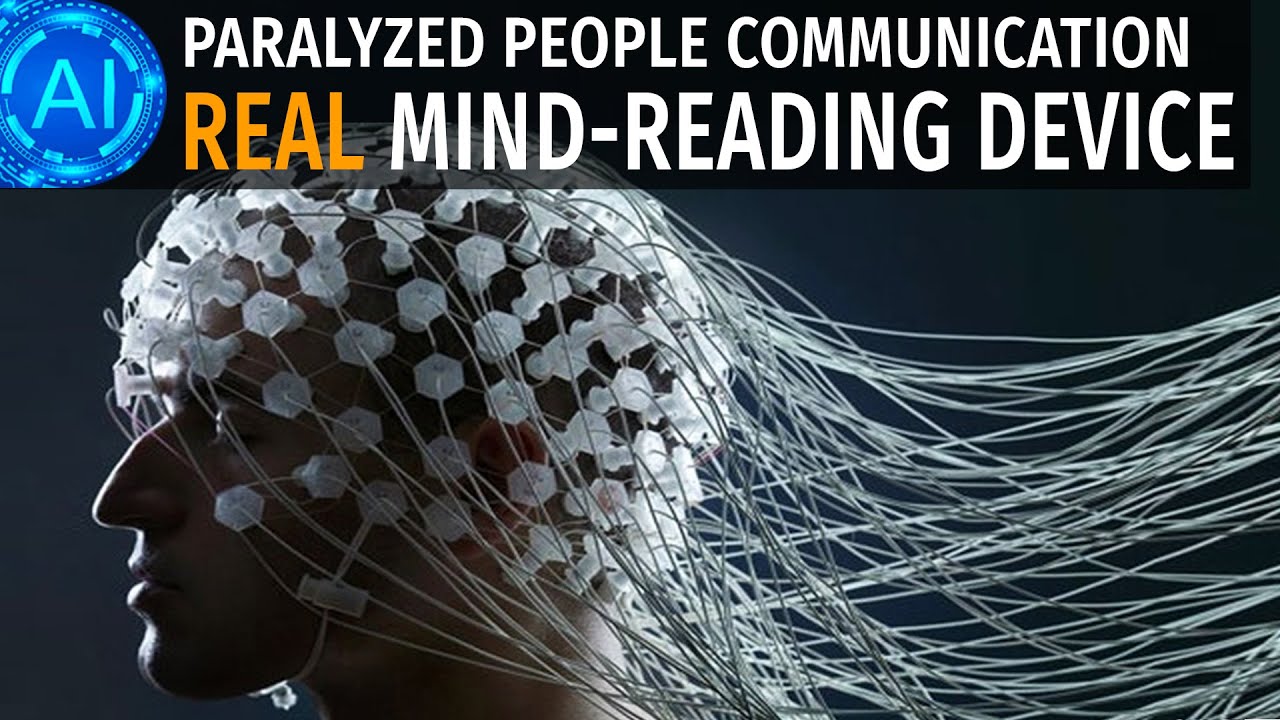
A new study from the **BrainGate clinical trial**, involving researchers from **Mass General Brigham Neuroscience Institute** and **Brown University**, details an investigational implantable brain-computer interface (iBCI) that allows individuals with paralysis to communicate via rapid typing. The system, which utilizes a QWERTY keyboard and attempted finger movements to interpret neural signals from the motor cortex, has demonstrated remarkable speed and accuracy for two participants: one with **amyotrophic lateral sclerosis (ALS)** and another with a **spinal cord injury**. This advancement, published in **Nature Neuroscience**, offers a significant improvement over existing communication methods like eye-gaze technology, which are often perceived as frustratingly slow. The **BrainGate consortium** has been developing these iBCIs since **2004**, aiming to restore independence and communication for those affected by neurological conditions.
Key Takeaways
- A new BrainGate iBCI system enables rapid typing for individuals with severe paralysis.
- Participants with ALS and spinal cord injury achieved typing speeds comparable to able-bodied individuals.
- The technology interprets attempted finger movements from brain signals via an implantable device.
- This advancement offers a significant improvement over existing slow and frustrating communication aids.
- The research highlights the collaborative strength of academic institutions in pushing neurotechnology frontiers.
Balanced Perspective
The BrainGate iBCI typing neuroprosthesis has shown promising results in a small cohort of two participants, achieving typing speeds comparable to able-bodied individuals. The system translates attempted finger movements, detected by microelectrode sensors in the motor cortex, into text via a QWERTY keyboard and predictive language model. While impressive, these findings are based on a limited sample size and require further validation across a broader population to confirm long-term efficacy and usability.
Optimistic View
This represents a monumental leap forward, potentially liberating individuals with severe paralysis from the profound isolation of lost communication. The reported typing speeds of **22 words per minute** are not just a technical achievement; they are a pathway to regaining agency, expressing complex thoughts, and re-engaging with the world. This technology could fundamentally alter the quality of life for millions, moving beyond mere functionality to restoring genuine human connection and independence.
Critical View
While the reported speeds are encouraging, the reliance on an **implantable device** raises significant concerns regarding surgical risks, long-term biocompatibility, and the potential for device degradation. Furthermore, the calibration process, though reduced to as few as 30 sentences, still requires active participation and cognitive engagement, which may not be feasible for all individuals with severe paralysis. The path from a clinical trial to widespread, affordable, and accessible patient use remains a formidable challenge.
Source
Originally reported by Brown University